

Sudden Flashes or New Eye Floaters? When to Seek Emergency Eye Care in Wichita

Seeing an occasional floater can be common, especially as we get older. However, a sudden increase in eye floaters, flashes of light, or changes in your field of vision should not be ignored. These symptoms can sometimes signal a problem involving the retina that requires prompt evaluation.
At TMS Eyecare, we encourage Wichita patients to pay attention to sudden vision changes. Knowing when flashes or floaters require emergency eye care can help protect your eyesight.
What Causes Eye Floaters and Flashes?
Floaters may look like small specks, strings, cobwebs, or shadows drifting across your vision. They often develop as the vitreous - the gel-like substance inside the eye - naturally changes with age.
Flashes can occur when the vitreous pulls or tugs on the retina. Some vitreous changes are harmless, but occasionally this pulling can create a retinal tear. Fluid may then pass through the tear and contribute to a retinal detachment.
Because it is difficult to determine the cause based on symptoms alone, suddenly developing flashes or numerous new floaters should be evaluated by an eye care professional.
Warning Signs That Need Immediate Attention
Contact an eye doctor promptly or seek emergency eye care if you notice a sudden change in your vision, particularly symptoms such as:
- A sudden increase in the number of floaters
- New or repeated flashes of light
- A dark shadow or curtain moving across your vision
- Sudden loss of peripheral or central vision
- New blurred vision along with flashes or floaters
- Vision changes following an eye injury
These symptoms can be associated with a retinal tear or retinal detachment. Retinal detachment is a medical emergency because delaying treatment can increase the risk of permanent vision loss.
Who Is More Likely to Develop Retinal Problems?
Retinal tears and detachments can happen to anyone, but certain people have a higher risk. This includes patients who are very nearsighted, have previously undergone cataract or other eye surgery, have experienced significant eye trauma, or have a personal or family history of retinal detachment.
Diabetes and certain retinal conditions can also increase the risk of problems affecting the back of the eye.
If you have known risk factors, it is especially important to take sudden flashes, floaters, or changes in peripheral vision seriously.
What Happens During an Evaluation?
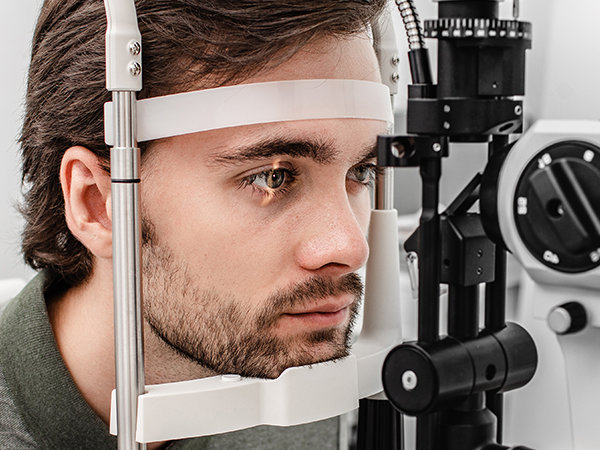
When you seek care for new flashes or floaters, the goal is to examine the retina and determine what is causing your symptoms. A dilated eye examination allows the eye doctor to carefully evaluate the retina for signs of a tear, detachment, bleeding, inflammation, or other concerns.
Not every floater requires treatment, but sudden changes deserve attention. If a retinal tear or another urgent condition is identified, timely treatment or referral can help reduce the risk of further vision complications.
If you experience sudden flashes, a significant increase in floaters, or another concerning vision change, contact TMS Eyecare at our Oak Creek location in Wichita, KS at (316) 686-6063, our 21st and Estelle location in Wichita, KS at (316) 686-7212, or our Arkansas City, KS location at (620) 442-2577 for prompt eye care.
All Eye
Care Services

Keep
In Touch

At TMS Eyecare, We provide the highest quality optometry services and compassionate eye care to ensure you and your family is healthy and happy.
TMS Eyecare
© 2026 TMS Eyecare. All Rights Reserved. Accessibility Statement - Privacy Policy - Terms and Conditions - Sitemap
