

Are Glasses or Contacts Better for Your Eyes?
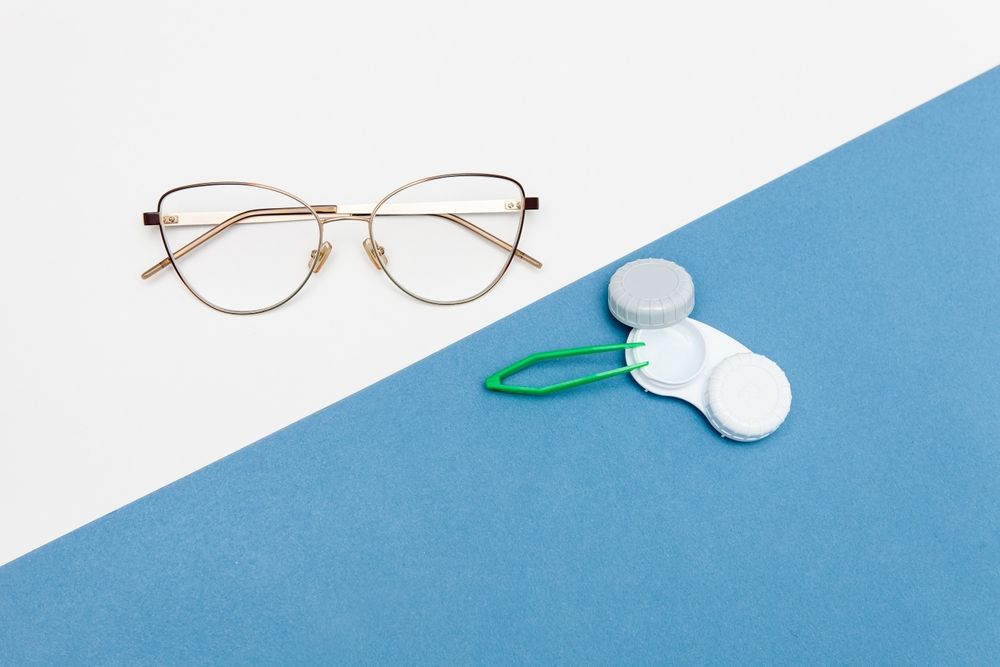
When it comes to vision correction, one of the most common questions patients ask is: Are glasses or contact lenses better for my eyes? The short answer is - it depends. Both options are safe, effective, and widely used, but each comes with its own benefits and considerations. The best choice often depends on your lifestyle, eye health, and personal preferences.
Let’s take a closer look at how glasses and contact lenses compare.
Glasses: Simple, Safe, and Low Maintenance
Glasses are the most traditional form of vision correction, and for many people, they’re the easiest option.
Benefits of Glasses
- Low risk to eye health: Glasses sit on your face, not your eyes, reducing the risk of eye infections or irritation.
- Easy care: There’s no need for daily cleaning routines or storage solutions - just keep them clean.
- Eye protection: Glasses can help shield your eyes from wind, dust, debris, and even blue light with specialized lenses.
- Cost-effective over time: While frames and lenses can be an investment, glasses typically last longer than contacts.
Potential Downsides
- They can fog up, get smudged, or slip during physical activity.
- Some people feel glasses interfere with sports or peripheral vision.
- Wearing glasses doesn’t correct vision at all distances from the lens, which may cause distortion for higher prescriptions.
Contact Lenses: Freedom and Natural Vision
Contact lenses rest directly on the eye, offering a more natural visual experience for many patients.
Benefits of Contact Lenses
- Wider field of vision: Contacts move with your eyes, providing clearer peripheral vision.
- No frames: Ideal for sports, active lifestyles, or those who prefer a glasses-free look.
- Weather-friendly: Contacts don’t fog up or collect rain.
- Stable vision: Especially beneficial for people with higher prescriptions or certain eye conditions.
Potential Downsides
- Contacts require daily hygiene and proper care to avoid infections.
- Wearing contacts for too long can lead to dryness or discomfort.
- Some people are not good candidates due to dry eye, allergies, or eye health conditions.
- Ongoing costs for lenses and solutions can add up.
Which Option Is Better for Your Eye Health?
Neither glasses nor contact lenses are inherently better for your eyes when they are used correctly and as prescribed. Both options are safe and effective, but contact lenses require more responsibility because they sit directly on the surface of the eye. Poor contact lens hygiene, such as overwearing lenses, sleeping in contacts not approved for overnight use, or skipping proper cleaning, can increase the risk of eye irritation and infection. Glasses generally pose fewer risks and can be a better option for individuals with dry eyes, allergies, or sensitivities.
For many patients, using a combination of glasses and contact lenses provides the best balance of comfort, eye health, and convenience. An optometrist can help determine the healthiest option based on your eye condition, prescription, and lifestyle needs.
Find the Right Fit for Your Eyes at TMS Eyecare
Glasses and contact lenses both offer excellent vision correction, and the best choice is a personal one. Glasses are simple and low maintenance, while contacts provide flexibility and a more natural visual field. What matters most is choosing an option that supports your eye health and fits your lifestyle.
If you are not sure which option is right for you, schedule a comprehensive eye exam at TMS Eyecare. Visit any of our offices in Wichita or Arkansas City, Kansas. Call (316) 669-4760, (316) 686-7212, or (620) 442-2577 to book an appointment today.
All Eye
Care Services

Keep
In Touch

At TMS Eyecare, We provide the highest quality optometry services and compassionate eye care to ensure you and your family is healthy and happy.
TMS Eyecare
© 2026 TMS Eyecare. All Rights Reserved. Accessibility Statement - Privacy Policy - Terms and Conditions - Sitemap
